Category: THEORY & PHILOSOPHY
Education, epistemology, and ethics
-
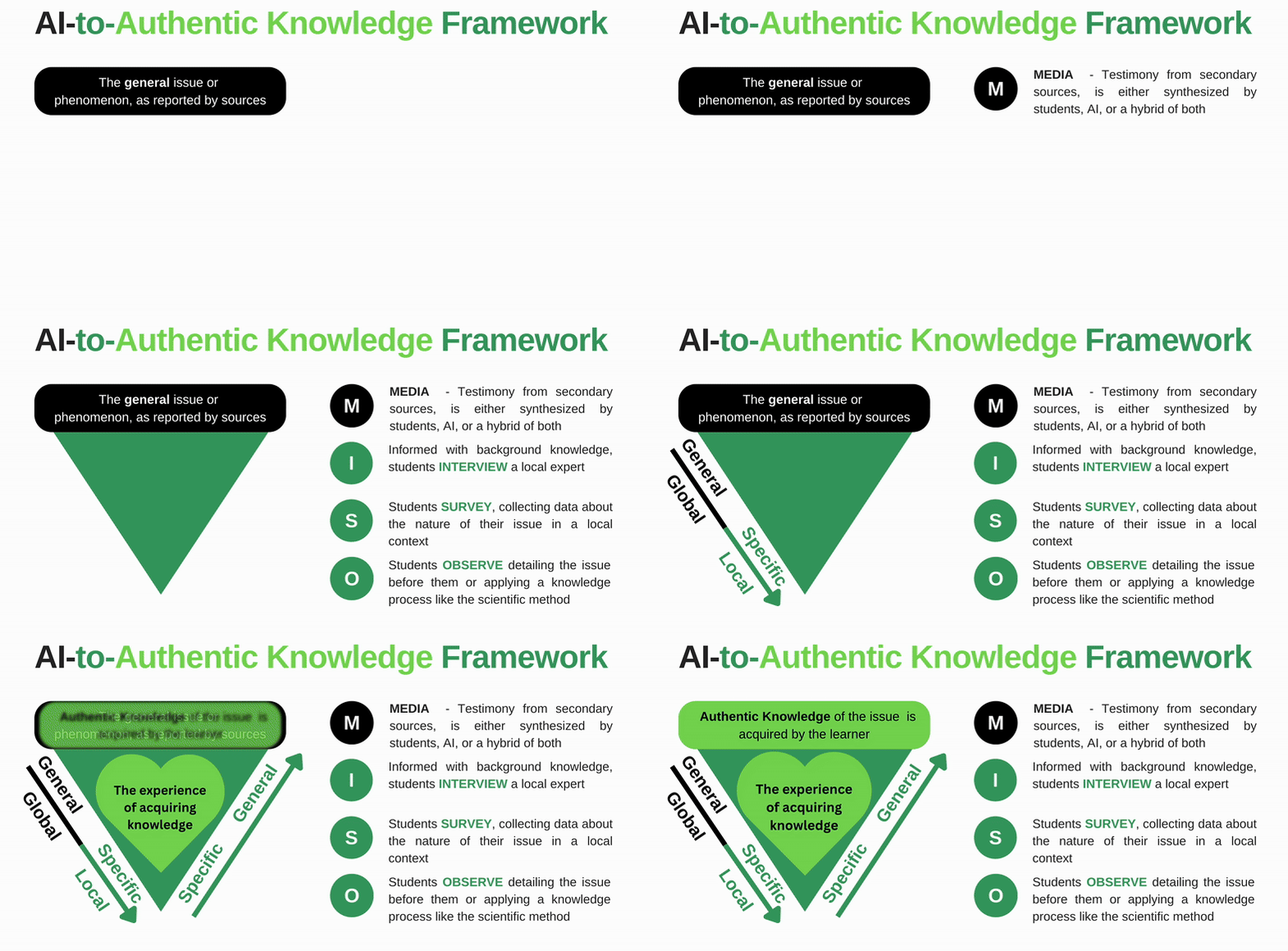
The AAK Framework for Authentic Knowledge Acquisition in the AI Era
How can we promote authentic knowledge acquisition for students in the AI era—especially in research projects? Our latest betterthinkers post introduces the AI to Authentic Knowledge (AAK) Framework. The AAK Framework helps educators and students balance AI tools with deep, critical thinking. Explore strategies for fostering meaningful knowledge acquisition. Equal Knowledge? Imagine you are attending
-
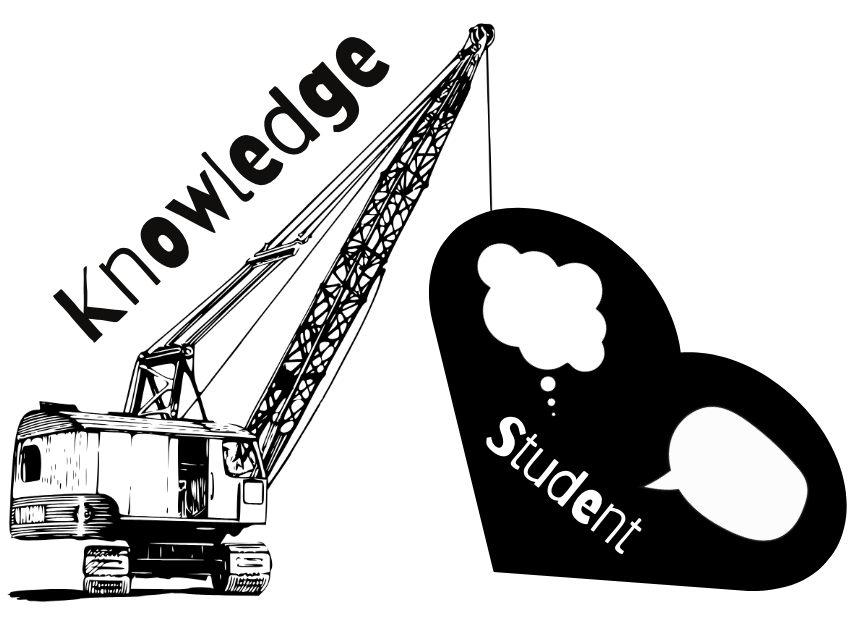
Fusing Knowledge with Care
I am not just talking about how we can get students to care about topics, but to embody a notion of knowledge, knowledge acquisition, knowledge production, or knowledge demonstration that is bound by care. A notion of knowledge that is required to have elements of care, meaning, or emotion if it were to pass a…
-

The Nature of Testimony
Problems for Hearer Testimony: Can There Be Testimony Without Speaker-Intention? My MSc dissertation in philosophy focussed on testimony, or natural testimony, the concept of knowledge as conveyed through the words of others. I had the opportunity to discuss my conceptual analysis on what testimony is like and not like, with Jonathon Hardy on his podcast Another
-
What is the Epistemic Well-Being Project?
My notion of what Epistemic Well-being is a working definition that will be revisited as I evolve this writing project. The basic notion of Epistemic Well-being is: When we know something or are granted access to knowing something, it is good for the well-being of ourselves, families, friends, and communities. A more comprehensive explanation: Knowledge
-
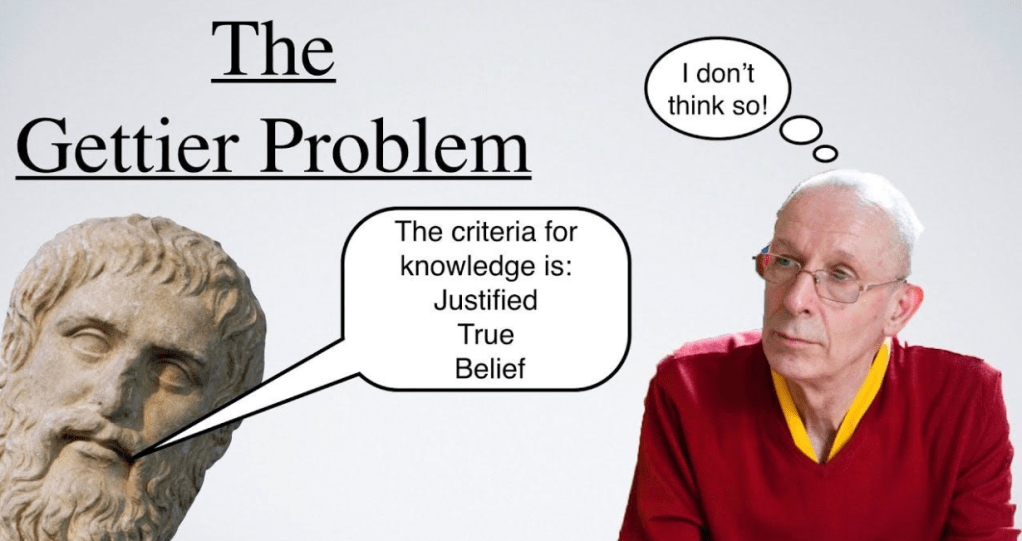
Justified True Belief
One of the most common views of what defines knowledge is the idea of justified true belief. Take the statement. There is cow in the field. Justified – You can see the cow directly, and indeed it is the field True – It seems that reality of the situation is that there is a cow
-
Do you have knowledge if you do not have direct experience?
Your friend tells you the score of the football game. He did not watch the game, he just overheard the score from someone on the bus who was talking to his friend. Apparently, the Rockets broke the tie in the 89th minute and won 3-2. Do you know the score? Traditionally, in epistemology (the study
-
Inductive Reasoning
What is inductive reasoning and why does making claims using inductive reasoning not give us certain truth?
 betterthinkers